How to Fix and Prevent Ceramic Coating Failure: Expert Maintenance and Repair Tips from Wichita’s Trusted Detailing Professionals
Ceramic coatings have changed the way drivers protect their paint. When applied correctly, they deliver long-lasting gloss, easier washing, and strong resistance to UV damage, road grime, and chemical staining. But even a professional ceramic coating can fail if the surface prep, application conditions, or aftercare are not handled properly.
At Let’s Roll Coatings in Wichita, KS, we see the same issues over and over: streaking, hazy patches, dull spots, and “high spots” that look like uneven smears under bright light. The good news is that most coating failures can be corrected, and nearly all of them can be prevented with the right process and maintenance habits.
To fix ceramic coating failure, you first need to identify the issue, then carefully polish the affected area to remove uneven buildup or compromised coating before reapplying protection. To prevent future failures, focus on thorough surface preparation, controlled indoor application, proper flash timing, and coating-safe maintenance.
The Foundation: Proper Surface Preparation
If ceramic coating is the protective shield, surface preparation is the foundation that makes it possible. Without a clean, corrected surface, even the best coating will struggle to bond properly and will fail early.
Start with a Deep Clean
Begin with a thorough wash using a pH-neutral car shampoo. Avoid dish soap, harsh degreasers, or automatic car washes with stiff brushes. Use a microfiber wash mitt and rinse thoroughly.
In Wichita, wind and dust can settle on paint quickly, even after washing. That is why careful rinsing and a clean wash process matter so much before moving to the next step.
Clay Bar Treatment: The Hidden Game-Changer
Even after washing, paint often has embedded contaminants such as:
- Road film
- Tar
- Tree sap
- Industrial fallout
- Brake dust
A medium-grade clay bar or clay mitt removes what soap cannot. Skipping this step can lead to uneven bonding, streaks, and visible high spots once the coating cures.
Polish for Perfection
Polishing is not just about making paint shiny. It improves the surface so the coating can bond evenly and cure correctly.
Using a dual-action polisher with a foam pad and the appropriate polish, remove:
- Swirl marks
- Oxidation
- Water spot etching (where possible)
Work slowly and evenly. A rushed polish step often creates uneven results that become more visible after coating.
The Final Touch: Chemical Decontamination
After polishing, you must remove polishing oils and residue. We use an isopropyl alcohol (IPA) solution diluted in distilled water to ensure the surface is chemically clean.
This step helps the ceramic coating bond properly to the clear coat instead of bonding to leftover oils.
Pro Tip: Environmental conditions matter. We aim for a temperature range of about 60–80°F with humidity under 60% to prevent premature flashing and uneven leveling.
The Application Process: Where Precision Meets Expertise
Even with perfect prep, ceramic coating application is where most failures begin. The process requires patience, consistency, and careful timing.
Control Your Environment
Ceramic coatings should be applied indoors whenever possible. Direct sunlight, wind, and high humidity can cause the coating to flash too fast, making it difficult to level and buff correctly.
This is especially important in Wichita summers, where heat can cause coatings to haze quickly and lock in streaks.
Master the Application Technique
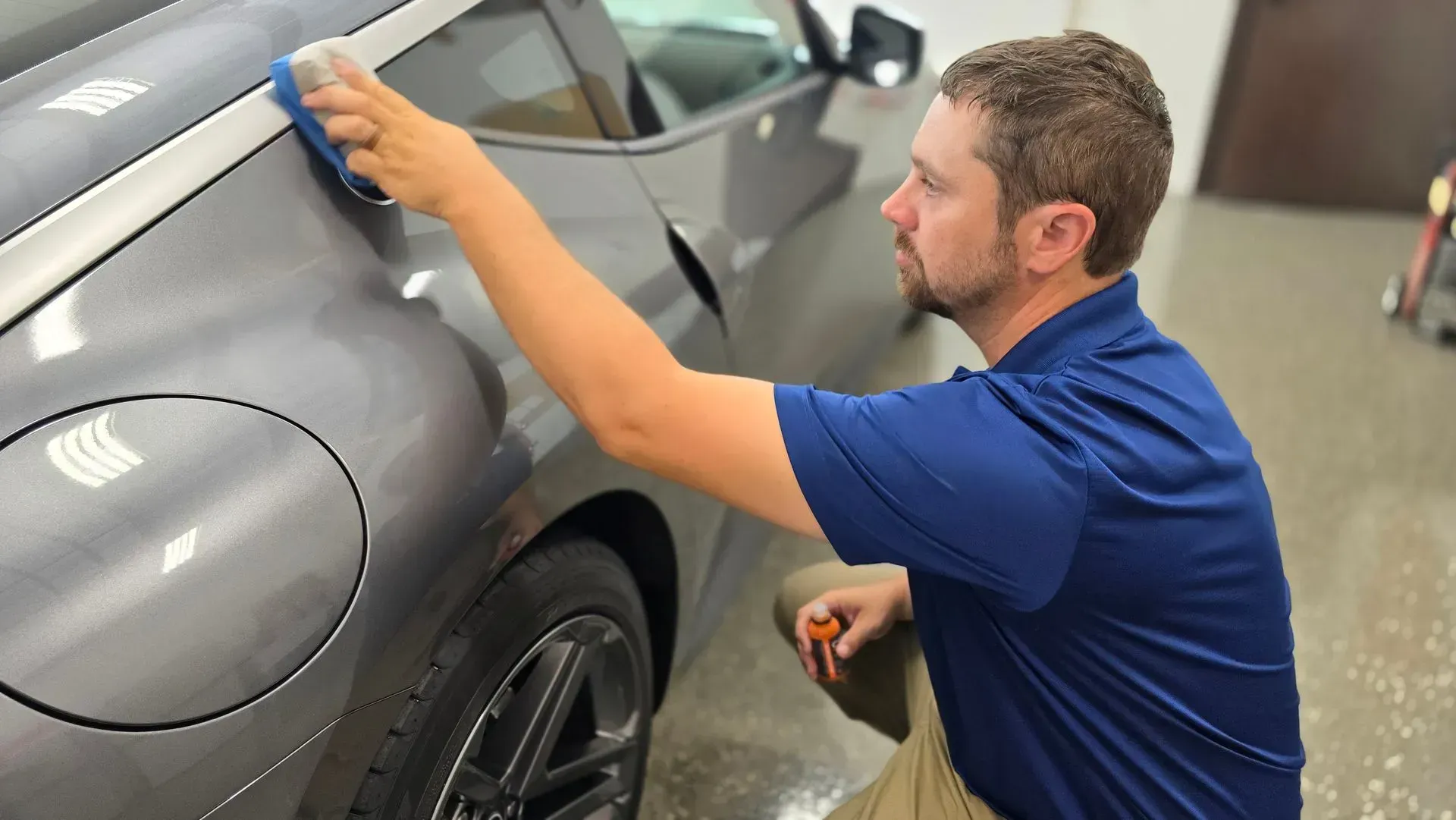
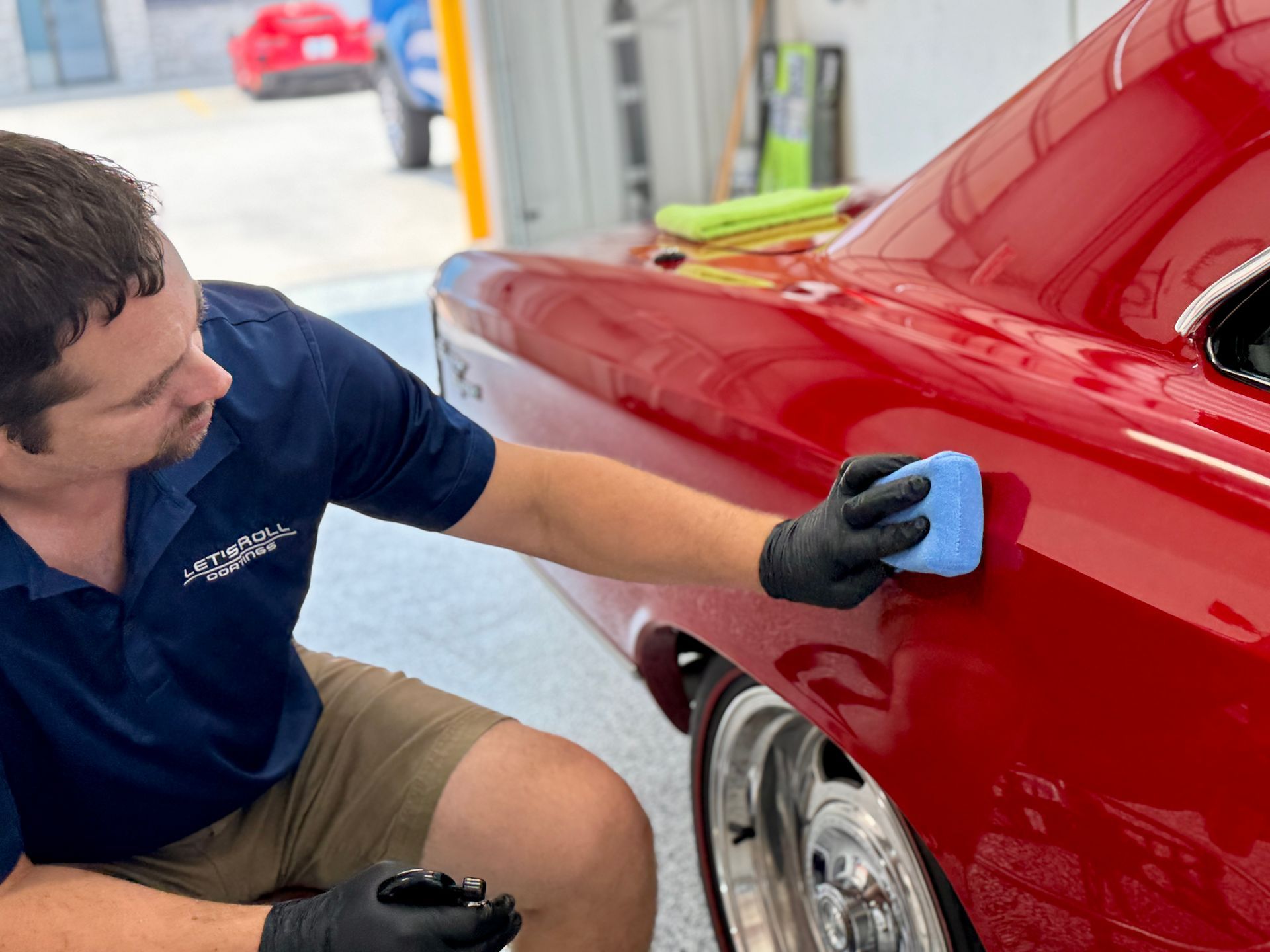
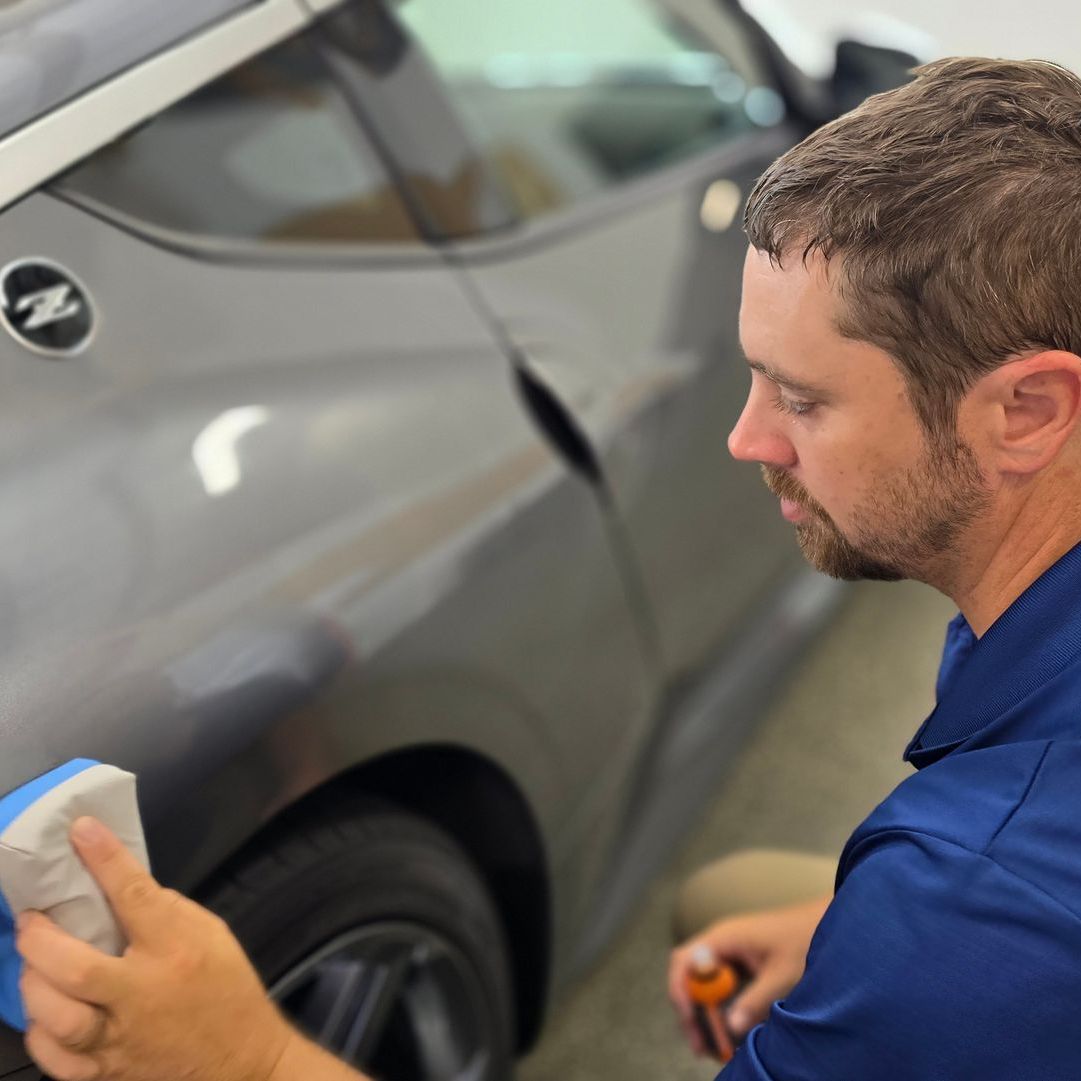
We apply ceramic coating in small, manageable sections, usually about 2 feet by 2 feet. Product is applied in a crosshatch pattern to ensure consistent coverage.
Small sections help prevent uneven curing and reduce the chance of missed spots or heavy buildup.
Timing Is Everything (Flash Time)
After application, the coating must flash. Flashing means it begins to haze slightly before leveling.
Most coatings flash within 30–60 seconds, but the exact timing depends on the product and the conditions. Leveling too early can smear product. Leveling too late can lock in high spots that require polishing to remove.
The Microfiber Secret
Always use clean, high-quality microfiber towels. Switch towels frequently. Dirty towels can reintroduce oils, dust, or lint, creating streaks and marring.
Professional detailers use far more towels than most people expect because a fresh towel is one of the easiest ways to avoid failure.
Why Ceramic Coatings Fail: The Three Main Culprits
After working on vehicles across Wichita and the surrounding area, we consistently see three root causes behind ceramic coating failure.
1. Inadequate Surface Preparation
Most failures begin before the coating is even applied. If contaminants, wax residue, or polishing oils remain on the paint, the coating will not bond properly.
Poor bonding can lead to:
- Premature dulling
- Patchy protection
- Reduced hydrophobic performance
- Peeling or early breakdown
2. Improper Application Technique
Applying too much product, working in sections that are too large, or missing the flash window are common mistakes.
The result is often:
- High spots
- Streaking
- Cloudy haze
- Uneven gloss
3. Low-Quality or Incorrect Products
Not all coatings are equal. Many consumer-grade coatings provide short-term shine but lack the durability needed for real-world driving.
Professional-grade coatings use advanced SiO2-based formulations that bond more effectively and hold up better against UV exposure, chemicals, and environmental fallout.
At Let’s Roll Coatings, we use professional-grade products because we stand behind the results.
How to Fix Ceramic Coating Failures
If your ceramic coating is streaky, dull, or uneven, you may still be able to correct it. The right solution depends on how severe the issue is.
Step 1: Identify the Issue
Inspect the paint under bright, diffused lighting. Look for:
- Streaks
- Smears
- Raised areas
- Dull patches
- Water behavior changes (poor beading or sheeting)
A high spot often looks like a slightly darker or oily patch, especially under LED lighting.
Step 2: Correct Minor Issues with Light Polishing
For isolated streaks or high spots, light polishing is often enough. This smooths the uneven area and removes the compromised coating.
It is important to understand that polishing removes some of the coating. Correction should be precise and limited to the affected area whenever possible.
Step 3: Remove and Reapply for Widespread Failure
If the coating is failing across multiple panels, full removal and reapplication may be required. This is especially true when:
- The coating was applied over contamination
- The finish is heavily hazed
- The coating is patchy and inconsistent
A proper reset includes full decontamination, polishing, panel wipe, and reapplication under controlled conditions.
If you are dealing with coating issues and want a professional evaluation, call Let’s Roll Coatings at (316) 295-0787. We can inspect the finish and recommend the right correction approach.
Preventing Future Coating Problems
Prevention is always cheaper than repair. Here are the habits that keep ceramic coatings performing like they should.
Invest in Quality Products and Professional Application
Professional-grade coatings often cost more upfront, but they deliver better durability and fewer application issues. A properly applied coating also saves time and money in maintenance over the years.
Maintain Proper Washing Practices
Use a pH-neutral shampoo, microfiber mitt, and a safe drying method. Avoid automatic car washes with brushes.
In Wichita, hard water can increase the risk of water spotting. Drying properly and quickly is one of the best ways to protect the coating’s appearance.
Best Practice: Wash every 1–2 weeks, especially during pollen season and winter months.
Schedule Routine Inspections
Check water behavior and gloss regularly. If the coating stops beading or begins to feel rough, it may need a maintenance booster or professional inspection.
Avoid Waxing Over Ceramic Coating
Wax and traditional sealants can interfere with the coating’s performance. Instead, use coating-safe maintenance sprays designed for ceramic surfaces.
Expert Tips for Maximum Coating Longevity
Focus on High-Wear Areas
Your front bumper, hood, mirrors, and rocker panels take the most abuse. Inspect these areas monthly and clean contaminants quickly.
Remove Contaminants Immediately
Bird droppings and bug splatter contain acids that can stain clear coat and degrade coatings if left too long. Remove them as soon as possible using a safe detail spray.
Park Smart
Whenever possible:
- Park in shade
- Avoid parking under trees
- Reduce long-term UV exposure
The Let’s Roll Coatings Difference in Wichita, KS
Our customers choose Let’s Roll Coatings because we prioritize quality, education, and long-term results.
What sets us apart:
- One car per day focus for maximum attention to detail
- Professional-grade ceramic coating systems
- Transparent recommendations and aftercare support
- Local expertise with Wichita driving and weather conditions
Ready to Protect Your Investment?
Whether you are dealing with a ceramic coating that is failing or you want it done right the first time, Let’s Roll Coatings is here to help.
We serve Wichita, KS and surrounding areas with professional ceramic coating services, paint correction, and detailing designed to protect your vehicle and keep it looking its best.
Call Let’s Roll Coatings at (316) 295-0787 today to schedule your consultation.
Your vehicle is an investment. Protect it with Wichita’s trusted ceramic coating professionals.