How to Maximize the Durability of Your Ceramic Coating in Extreme Weather Conditions
Ceramic coatings promise to keep your car's paint looking fresh and protected, but how well they hold up can truly depend on the weather your vehicle faces. Extreme heat, freezing cold, rain, and contaminants in the air all put the coating through rigorous tests that can shorten its lifespan if you’re not careful. Before diving into the step-by-step guide, it helps to understand why ceramic coatings sometimes fail in harsh conditions—and what simple steps can make a big difference in keeping that smooth, shiny finish longer than you might expect.
To maximize the durability of your ceramic coating in extreme weather, it all starts with thorough surface preparation, including decontamination washing, clay bar treatment, and paint correction to ensure optimal bonding. After this, maintaining the coating is crucial, so make sure to wash your vehicle regularly with pH-neutral, ceramic-safe shampoos, apply UV protectant sprays during intense sun exposure, and reapply topper sealants every 2-3 months to reinforce protection against heat, moisture, and environmental contaminants.
How to Maximize Durability of Your Ceramic Coating
It all begins with thorough cleaning. Using a pH-neutral shampoo when washing your vehicle is not just a recommendation—it’s a necessity. Harsh detergents or acidic soaps can strip away any existing protective layers and leave residues that interfere with the coating's ability to bond well with your paint. Think of it like painting a wall—you would never try to apply a fresh coat of paint over a dirty surface because the paint won’t adhere properly and will peel off. The same principle applies here: a spotless surface allows the coating to form a flawless barrier against the elements.
After washing, tackling bonded contaminants with a clay bar treatment takes your vehicle's cleanliness to another level. Contaminants like brake dust, tree sap, and industrial fallout cling stubbornly to your paint and erode its finish over time. This is especially true in urban or industrial zones, where these contaminants can chemically react with the paint. A clay bar treatment gently but effectively lifts these impurities off without harming the surface, leaving it smooth and perfectly primed for the coating. Skipping this step can lead to defects like uneven gloss or premature coating failure as contaminants trapped under the ceramic layer affect its effectiveness.
Moving deeper into refinement, paint correction is often necessary when imperfections such as swirl marks, minor wear, or oxidation mar your car's finish. These flaws don’t just take away from the visual appeal—they also compromise how well the ceramic coating bonds. Using a dual-action polisher carefully buffs out these issues while preserving the clear coat thickness, reinforcing both shine and protection. A corrected surface increases surface energy, allowing the ceramic coating to bond more evenly and maintain its hydrophobic properties for longer. Professional detailing services understand that skipping or rushing this step is one of the primary reasons coatings fail prematurely.
Once the surface has been prepped with cleaning, clay bar treatment, and paint correction, the next step is a final wipe-down with isopropyl alcohol. This may sound simple, but it’s essential for removing any leftover polishing oils or microscopic dust that could prevent the coating from bonding properly. Think of it as sanding wood before applying varnish—ensuring the coating adheres to the surface for a lasting finish. Without this careful cleansing, even the best coatings risk peeling or curing unevenly.
Choosing the Right Ceramic Coating for Extreme Weather
Now that your vehicle is perfectly prepped, it’s time to consider the right ceramic coating for the extreme weather conditions your car will face. In regions with scorching summers or frigid winters, not all ceramic coatings are created equal. Picking a product that matches your environment isn’t just about protection—it’s about ensuring longevity and preserving your vehicle’s appearance.
For example, a high-quality nano-ceramic formula creates a hard shield that’s highly resistant to UV rays. This makes it ideal for regions with prolonged sun exposure, where paint can easily fade and oxidize. If you live in a place where summer days feel like an oven, these coatings dramatically lower the risk of discoloration and surface degradation due to heat.
In northern regions where temperatures can plummet and road salt is a common hazard, a durable ceramic coating with resistance to yellowing stands out. It offers unmatched longevity, helping to prevent the discoloration that can occur with lesser products when exposed to cold weather. Additionally, its chip-resistant properties help defend against minor damage from tiny rocks kicked up during winter commutes.
For those near oceans or in humid environments, salt air and moisture can pose unique threats to your vehicle’s paint. Eco-conscious formulations excel in these conditions by providing an effective barrier against moisture, ensuring your car’s paint stays glossy and protected without sacrificing sustainability. These options are an excellent choice for environmentally conscious drivers who also want to maintain their vehicle’s appearance in humid conditions.
When deciding on the best coating, consider the daily driving conditions of your area. High-SiO2 concentration coatings offer thicker protection layers that stand tough against minor impacts but require longer curing times and precise application techniques. If you prioritize ease of application and user-friendliness, other products may offer a balance between convenience and robust defense. Eco-friendly formulations are particularly effective in wet climates.
It’s important to remember that regardless of which premium ceramic coating you choose, surface preparation remains paramount. Skipping steps like cleaning, paint correction, and decontamination before applying the coating risks trapping imperfections beneath the protective layer, resulting in reduced effectiveness. Without proper preparation, the coating may not be able to provide the level of protection it’s designed for.
The Best Practices for Applying Ceramic Coating
Applying ceramic coating is not about rushing through the process—it’s about precision and patience. The ideal environment can make or break the success of your application. Just like preparing a fine meal, the cleanliness of your environment, ambient temperature, and humidity all play a role in how well the coating bonds and cures.
Ceramic coatings should be applied indoors or in a controlled environment, where humidity stays below 60% and the temperature is between 59°F and 77°F (15°C to 25°C). Excess moisture or heat can cause improper bonding, leading to uneven finishes or reduced durability. Dust particles floating in the air aren’t just annoying—they can become embedded in the curing coating, ruining the sleek, glass-like surface you’re striving for.
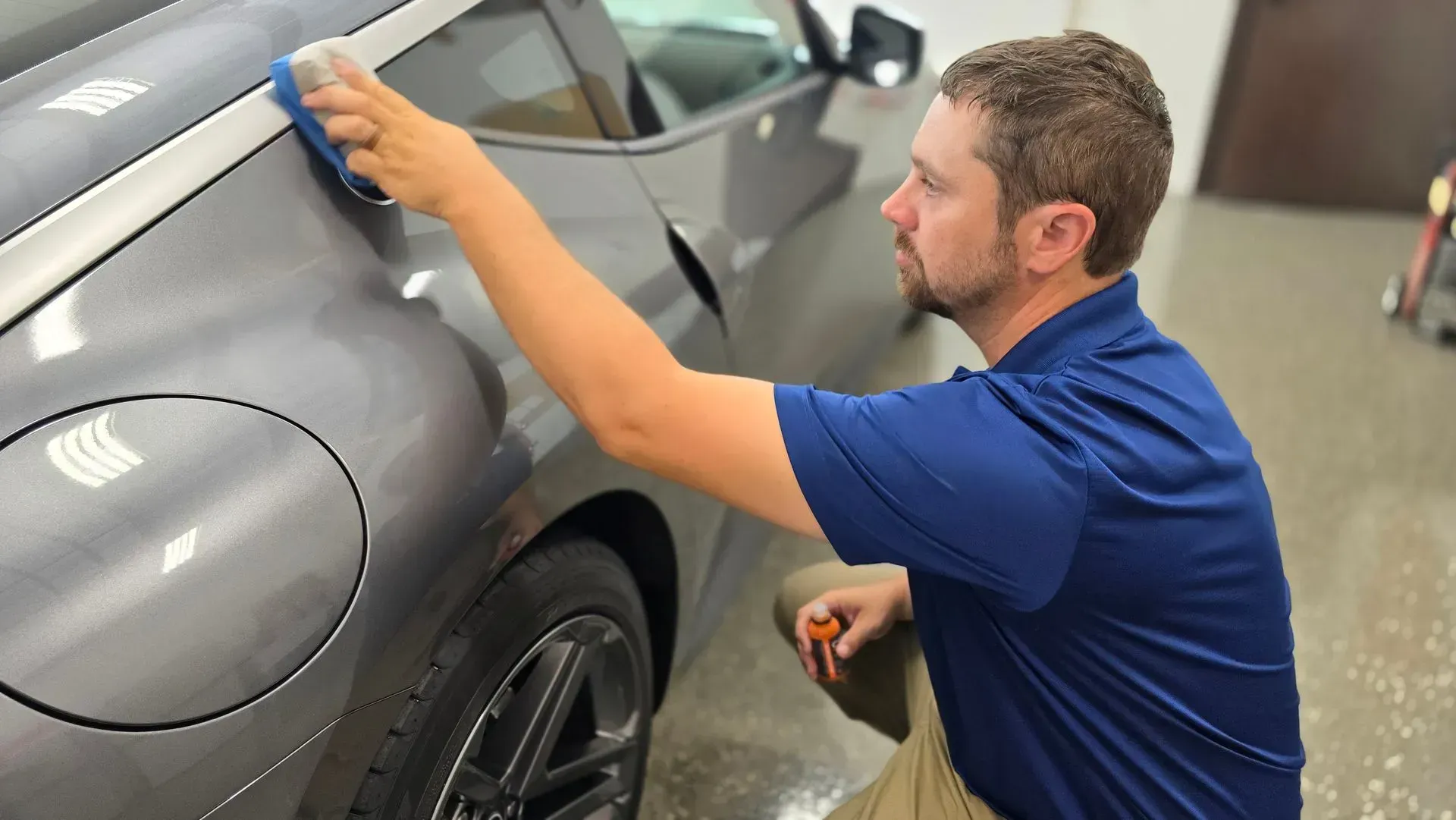
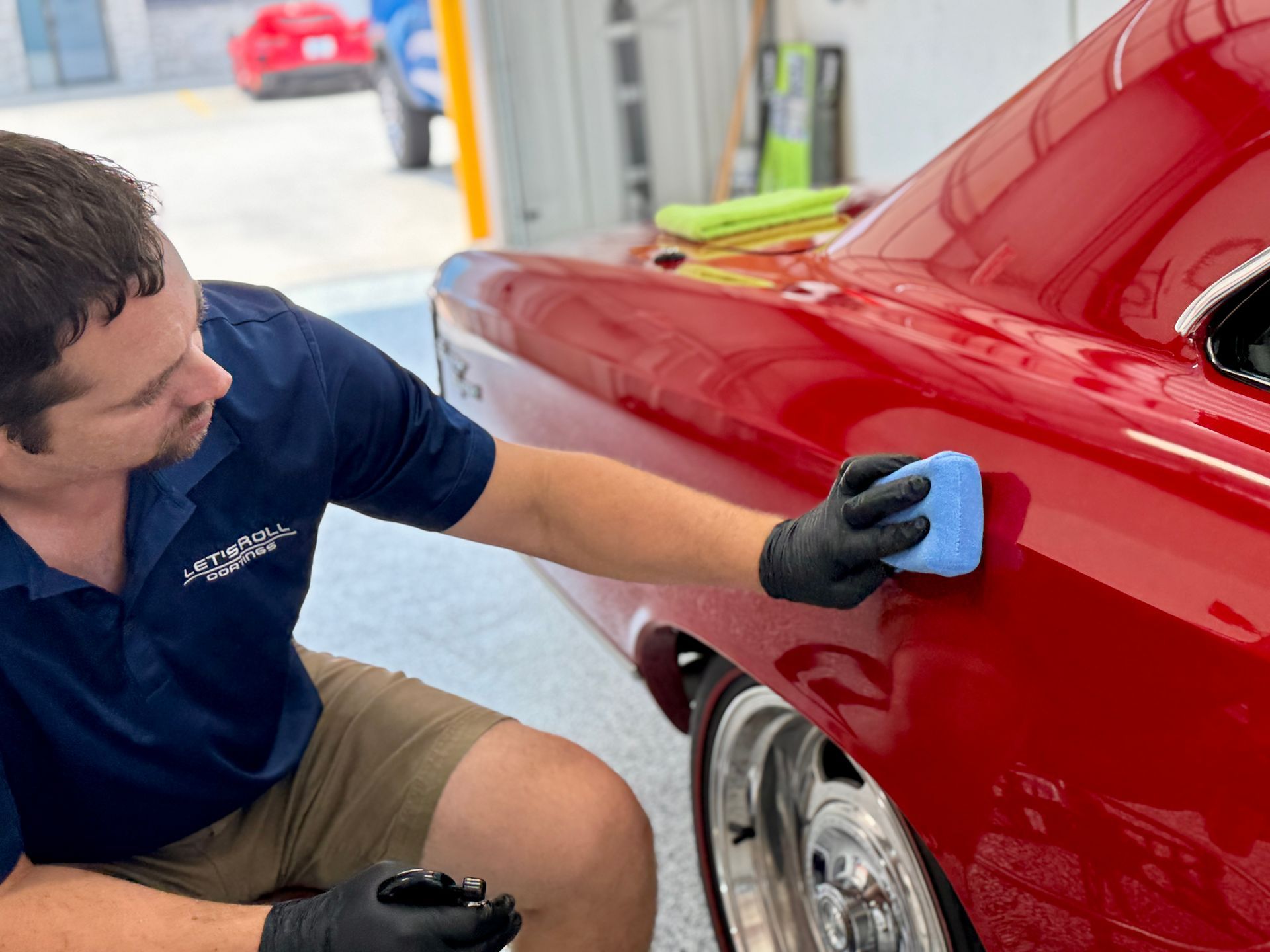
Next comes the methodical part: dividing your vehicle into small sections—about 2x2 feet—and working in manageable areas. This ensures every inch of the surface receives the same careful attention and allows you to maintain control over the application. Trying to coat too large of an area at once risks uneven spreading or letting parts dry before you can buff them properly. Using a high-quality microfiber applicator pad and employing a cross-hatch motion—first horizontal, then vertical—ensures an even coat and prevents product waste.
The timing of the buffing process is crucial to achieving that flawless finish. After applying the liquid polymer, look out for the "rainbow effect"—a shimmering sheen across the surface indicating the coating has flashed off but hasn’t fully hardened. This is the perfect time to gently buff away excess residue with a clean microfiber towel. Buffing too soon can cause unevenness, while waiting too long can lead to stubborn streaks and haze that dull the finish. Perfect timing will result in a glossy, smooth surface that maximizes bonding strength.
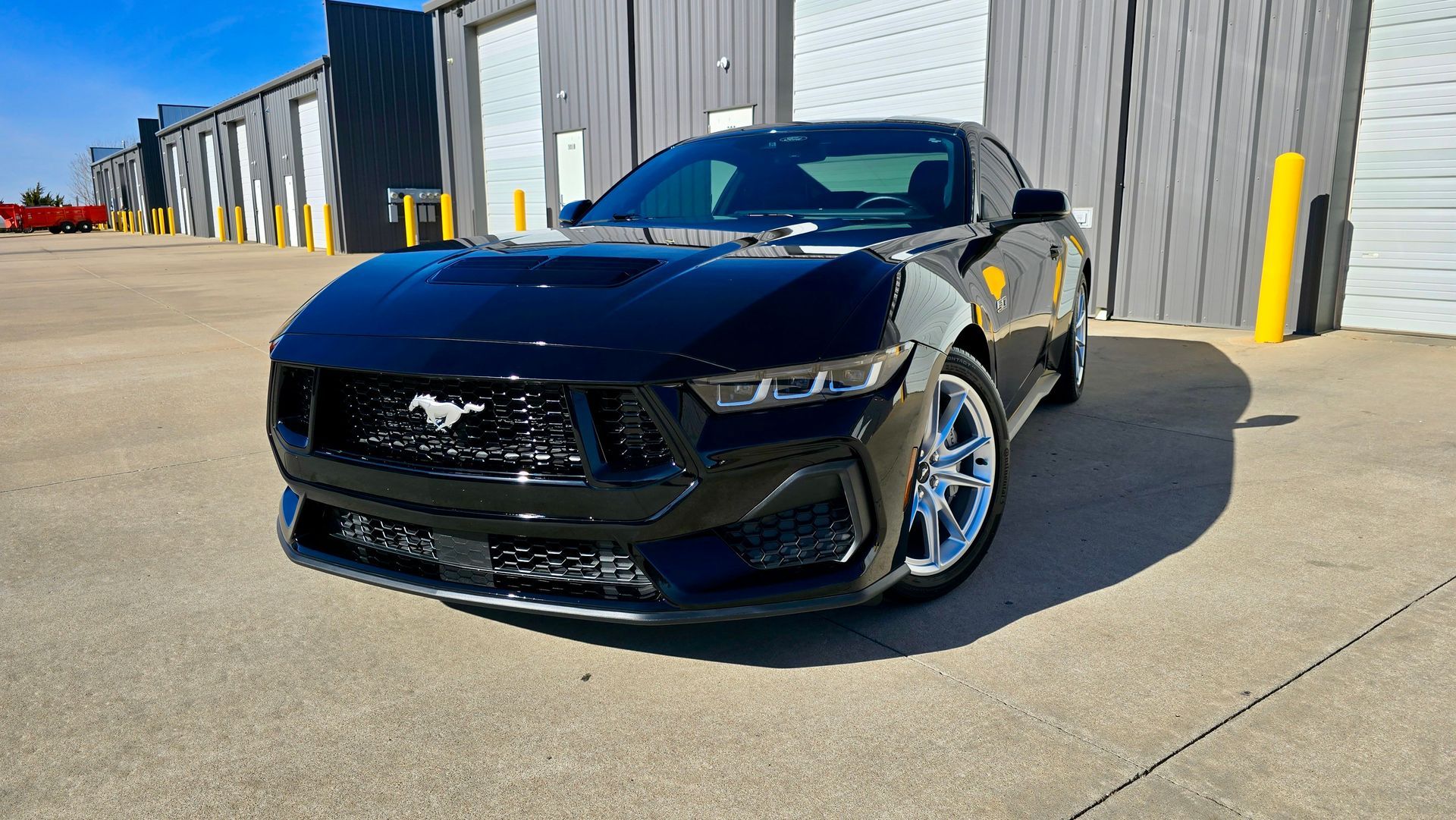
Choosing the Right Environment for Coating Application
The environment where you apply your ceramic coating is essential to the success of the application. Indoor spaces are the ideal environment for ceramic coating applications. They offer controlled conditions, free from airborne contaminants like dust, pollen, and insects, which can settle on the wet coating and cause imperfections.
Temperature also plays a significant role. Coating should be applied when surface and air temperatures range between 50°F and 75°F (about 10°C to 24°C). Outside of this range, you risk compromising the bond. Temperatures that are too low may prevent proper curing, while high heat may cause the coating to dry too quickly and result in an uneven finish. Controlling the humidity is equally important; moisture levels should be kept below 50% to prevent cloudiness or haze from forming during curing.
Maintaining cleanliness is key. Professional application studios often operate in spaces with extremely low levels of airborne particles to prevent contaminants from ruining the coating’s smooth finish. Creating a dust-free environment ensures the ceramic coating bonds evenly, resulting in a flawless surface.
Essential Maintenance Techniques
To maintain your ceramic coating’s protective properties, consistent and proper maintenance is essential. One of the most effective ways to preserve the coating’s longevity is through regular washing. Using the two-bucket method prevents swirl marks and ensures that dirt and debris don’t get scrubbed back onto your paint. Pair this with pH-neutral shampoos designed for coated vehicles to provide gentle care that won’t strip away or damage the protective layer underneath.
It’s also essential to inspect your vehicle regularly. After each rainstorm or snowfall, take a moment to check for water spots or signs of diminished hydrophobic properties. If water no longer beads off effectively, it may be time to reapply a ceramic-safe topper sealant. These products help restore protection and enhance UV defense, ensuring your vehicle’s finish remains pristine even in harsh weather conditions.
In addition to washing, applying a ceramic-safe UV protectant spray every few weeks can significantly extend the life of your ceramic coating, especially during high sun exposure. These sprays act as sunscreen for your car’s paint, replenishing the coating’s protective properties and preventing fading or damage from UV rays.
Common Mistakes to Avoid
One of the most common mistakes when applying ceramic coatings is inadequate surface preparation. Skipping cleaning, decontamination, and paint correction can result in a weak bond, allowing contaminants to sneak underneath the coating and shorten its lifespan. Always take the time to properly prepare the surface—this step is crucial for the coating to function as it should.
Another mistake is over-application. Applying too thick a layer of coating can cause unevenness and make it difficult to buff out excess product. Always apply a thin, even coat and allow it to cure properly. It’s better to build up layers gradually rather than trying to rush through the application.
Lastly, ensure your vehicle is allowed enough time to cure before exposure to the elements. Avoid taking your car out in the rain, snow, or humidity during the curing period, as this can interrupt the bonding process and reduce the coating’s effectiveness.
By following these professional-grade preparation, application, and maintenance practices, you can maximize the durability of your ceramic coating and keep your vehicle looking pristine for years, regardless of the weather conditions.
Protect Your Ride with Expert Ceramic Coating – Call Let's Roll Coatings Today!
For expert service and top-tier ceramic coating solutions,
contact Let's Roll Coatings today at (316) 295-0787 to safeguard your investment and protect your vehicle’s finish in even the harshest climates.